Water Quality Testing
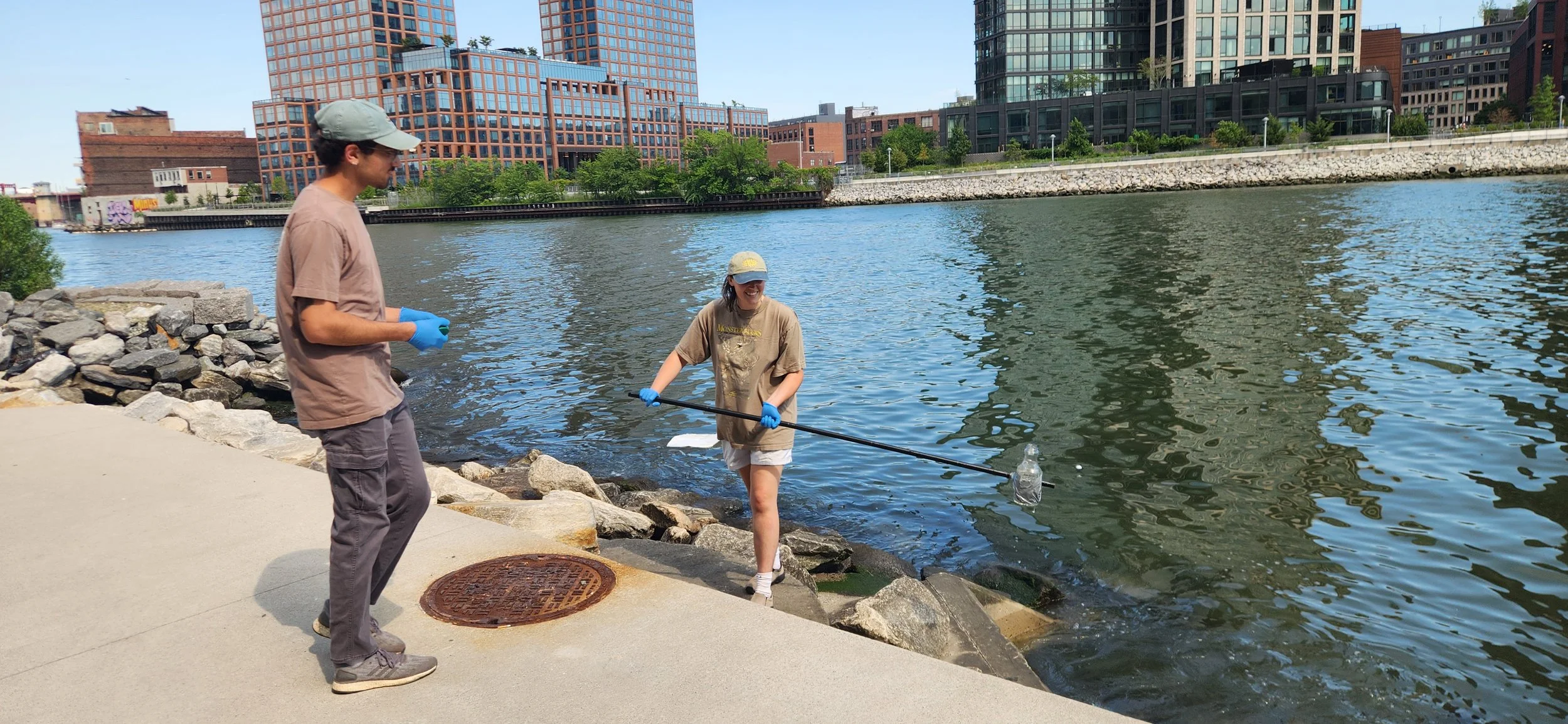
Hunters Point Park is one of 139 sampling sites for water quality data in collaboration with the Billion Oyster Project. With our compiled data, we are able to learn about the state of our river, which is important for its users and the organisms that reside within it. Although the project is mainly focused on the bacteria present in our river, we test for a variety of metrics, including temperature, dissolved oxygen, pH, salinity, and turbidity.
To learn more about each of these metrics- and what they mean for the river- continue reading below!

Rivers are complex, yet beautiful, systems home to a diverse set of plants and animals. The success of rivers and the organisms that live within them is dependent upon their internal conditions, like temperature, oxygen levels, and water quality. Naturally, rivers change throughout the year in response to seasonal changes and weather events.
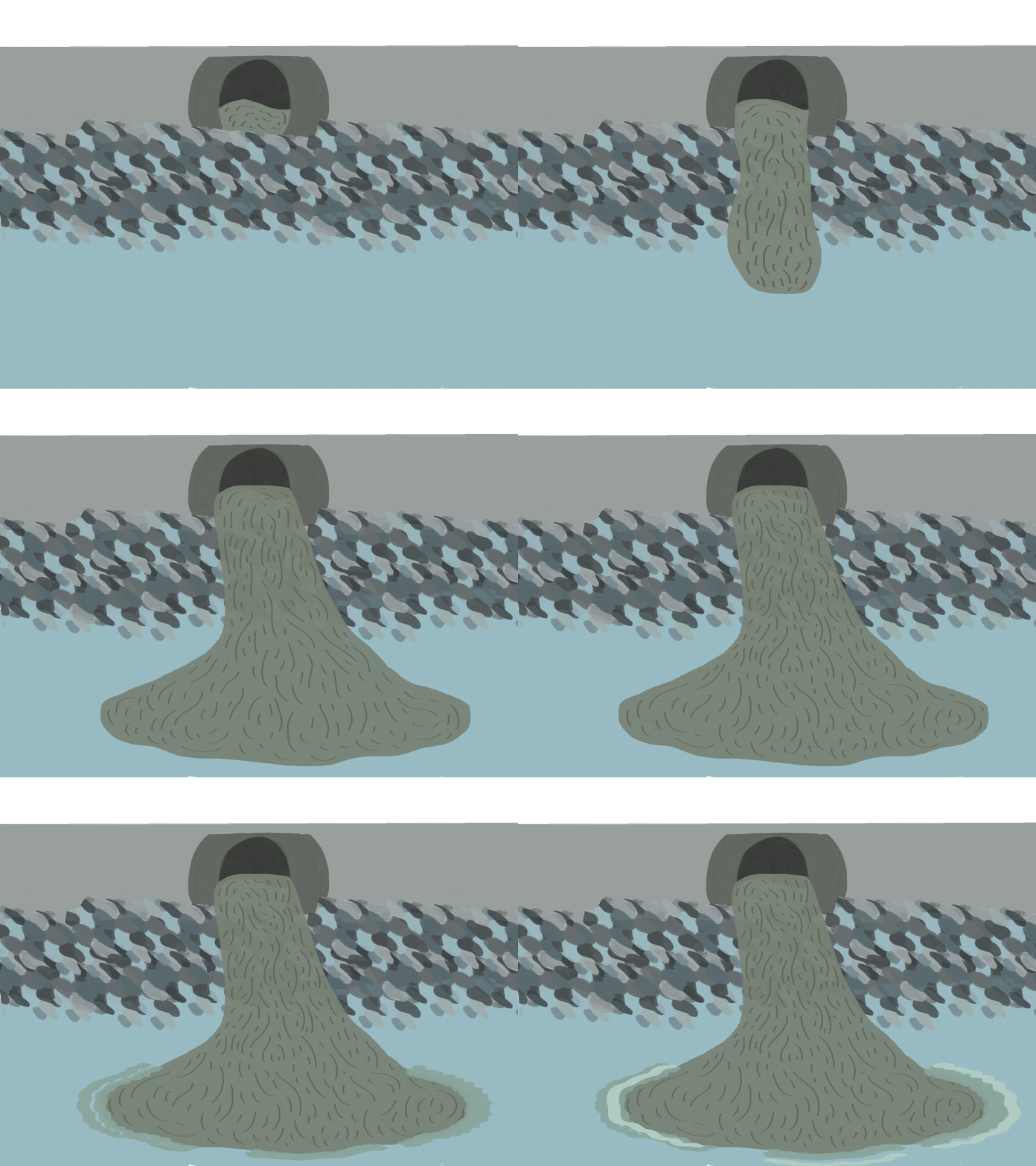
We sit at the mouth of the Newtown Creek, adjacent to the East River- two major sources of recreation and transportation. However, because of NYC’s combined sewer system, monitoring the state of these waterways is critical. In a combined sewer system (CSS), rainwater and wastewater share a pipe. Under normal conditions, this water is directed to a wastewater treatment plant before being discharged into a waterway. On the other hand, under heavy rainfall conditions, the pipes (carrying rainfall and wastewater) become overwhelmed and discharge all water without it being fully treated. This is called combined sewer overflow (CSO).
Discharged water during heavy rainfall can introduce bacteria and other pollutants to Newtown Creek. As such, monitoring the conditions of the river and keeping the public informed has become a high priority. Continue reading to learn about the river’s current conditions!

TESTING THE WATERS

Temperature
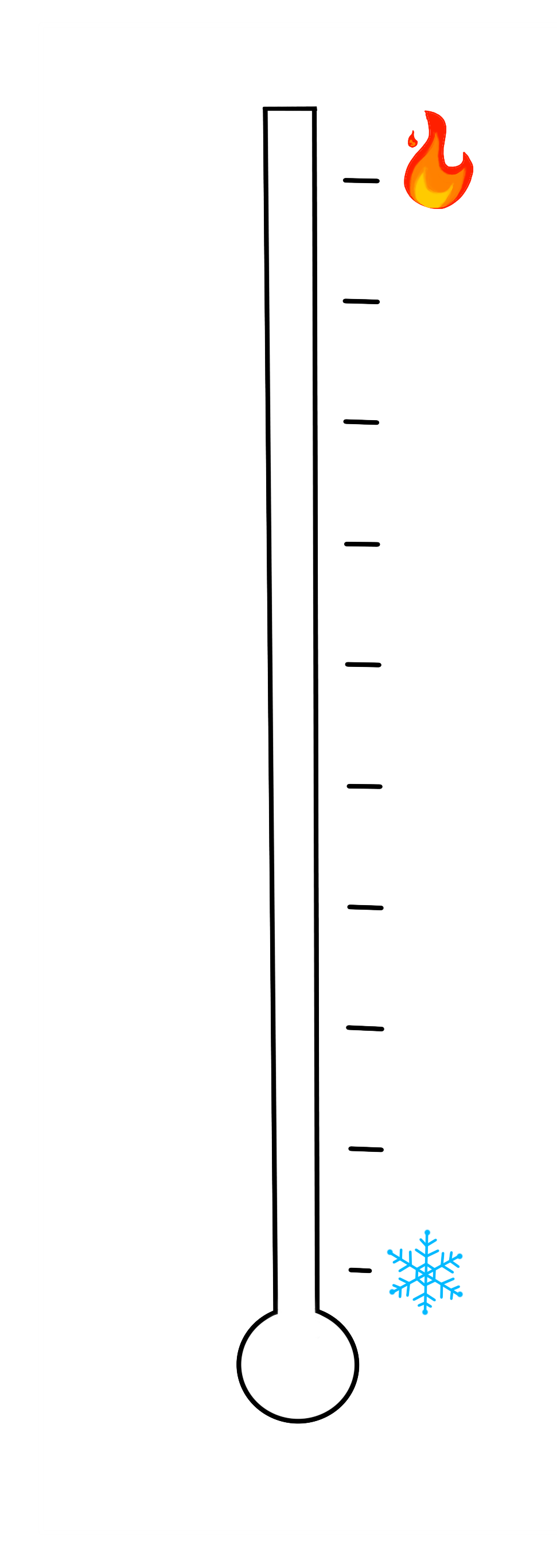
Just like air, the temperature of the river fluctuates seasonally as a result of heat from the sun. We typically see the highest temperatures late into summer and the lowest temperatures late into winter.
Temperature in the river can also change at any given time with changes in the turbidity of the water and the velocity of the water (generally, slower moving water tends to be warmer).
Temperature has the largest impact on the amount of dissolved oxygen in the river. Typically, oxygen levels are lower when temperature rises.
Effects of Temperature
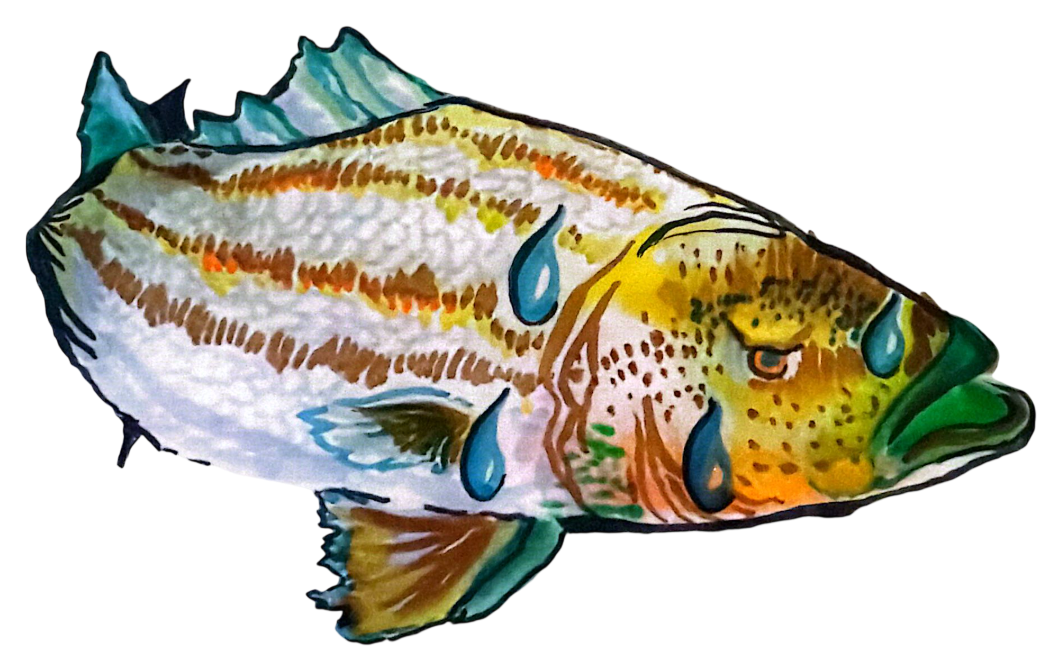
The temperature of the river plays a huge role in the lives of plants and animals living in the East River & Newtown Creek. Similar to humans, fish can only tolerate a certain range of temperatures.
Globally, we are experiencing higher temperatures. As a result, we are seeing fish move to colder waters and sun-loving, harmful algal species take over. Rising temperatures mixed with harmful bacteria loads from contaminated water create dangerous conditions for the users of the waterways.
Dissolved Oxygen
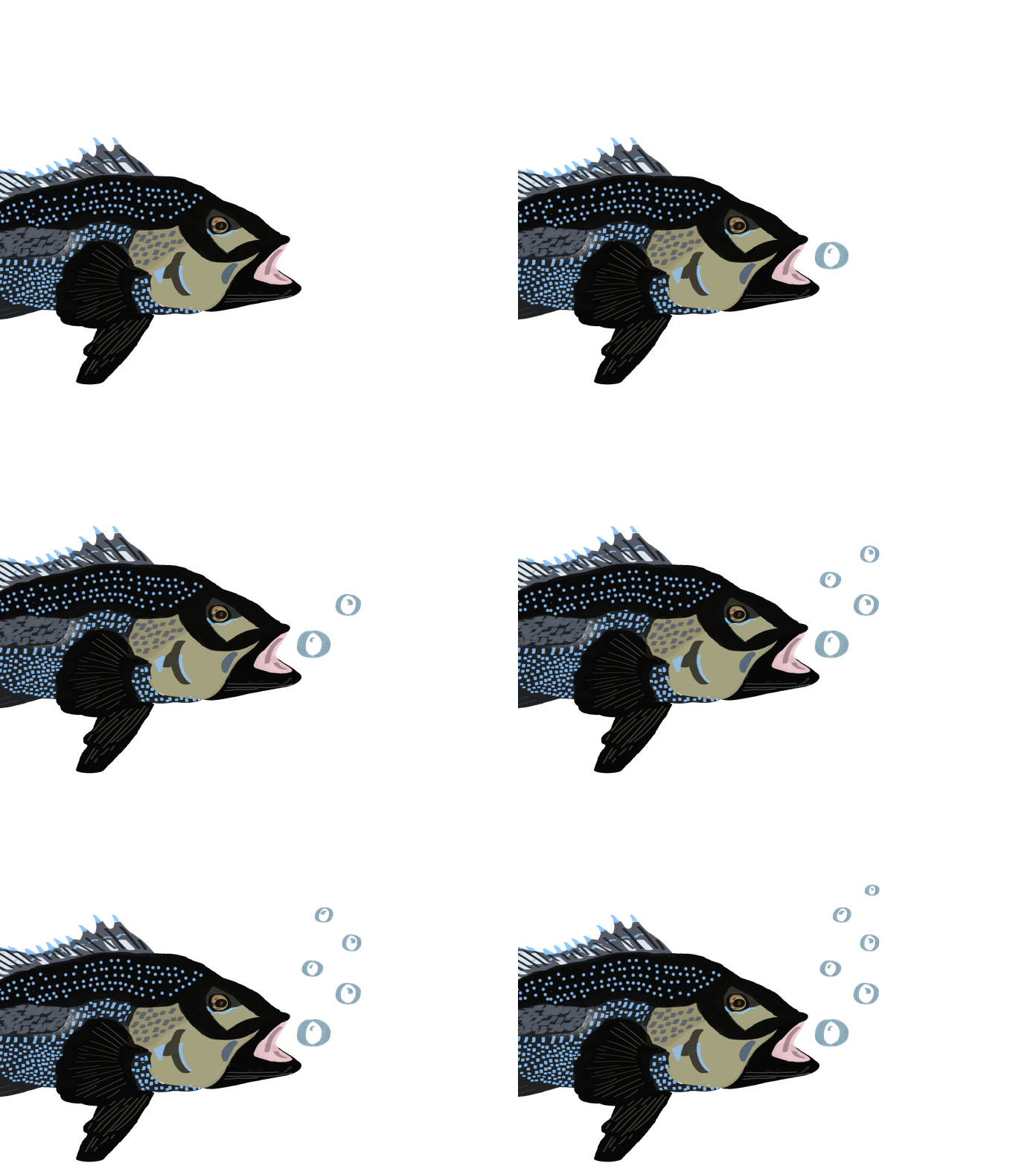
Dissolved oxygen (DO) measures the amount of oxygen present in water, usually in milligrams per liter (mg/L). Dissolved oxygen is used as an indicator by researchers to inform of a body of water’s ability to support life.
The concentration of DO in any given body of water with factors like temperature, salinity, and the overall movement of the water. As temperatures increase, the amount of oxygen decreases. Similarly, saltier bodies of water hold less oxygen. Fast-moving, turbulent bodies of water have a higher DO concentration, since the water is constantly being aerated.
Bodies of water also experience a huge loss of oxygen when algae blooms. These organisms rapidly grow in number and steal oxygen from plants and animals.
Effects of Dissolved Oxygen
Even though they live in water, aquatic plants and animals still breathe through a process known as cellular respiration, which is driven by oxygen. Maintaining proper DO levels is vital, as low levels can cause these creatures to die.
DO levels in bodies of water across the globe have become increasingly concerning, especially because of the rise in global temperatures. Fortunately, the DO content of the water we test remains at a stable level, but continues to be monitored; the river would be considered unhealthy if levels dropped below 4.0 mg/L.
pH
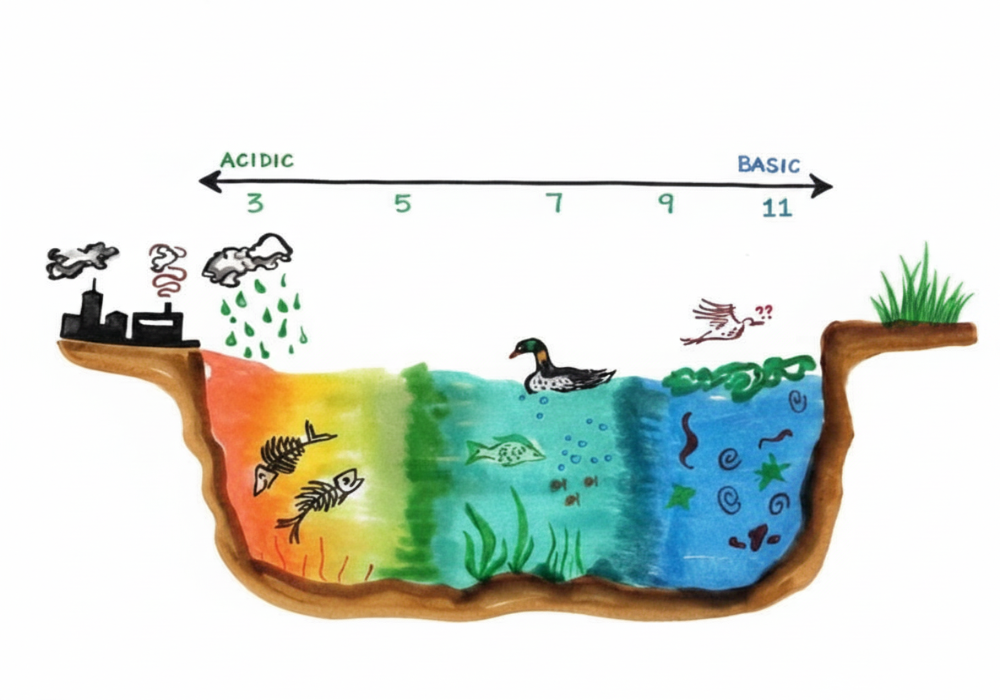
pH is a measure of how acidic water is. It is measured on a scale of 0 to 14, with lower values (below 7) signifying acidic conditions and higher values (above 7) signifying basic, or non-acidic, conditions. A pH of 7 signifies neutral conditions. pH strongly affects aquatic life and usually indicates the presence of pollution or contaminants in water.
The pH of water changes depending on natural and human impacts. Firstly, the amount of carbon dioxide present in water has a great effect on pH- generally, higher CO2 levels result in lower pH. Additionally, the input of toxins and chemicals (especially from a combined sewage system) can shift the pH to acidic conditions.
Effects of pH
Small changes in pH bring big changes to the health of aquatic plants and animals. If the pH of a body of water is not within a safe range (we generally measure between 7.0 to 8.0), the survival of fish and plants alike is decreased altogether.
When the pH of the river changes, fish that are sensitive may experience hatching rates of their offspring and a decline in growth. Additionally, they are more likely to absorb toxins from the river, affecting their health.
Salinity
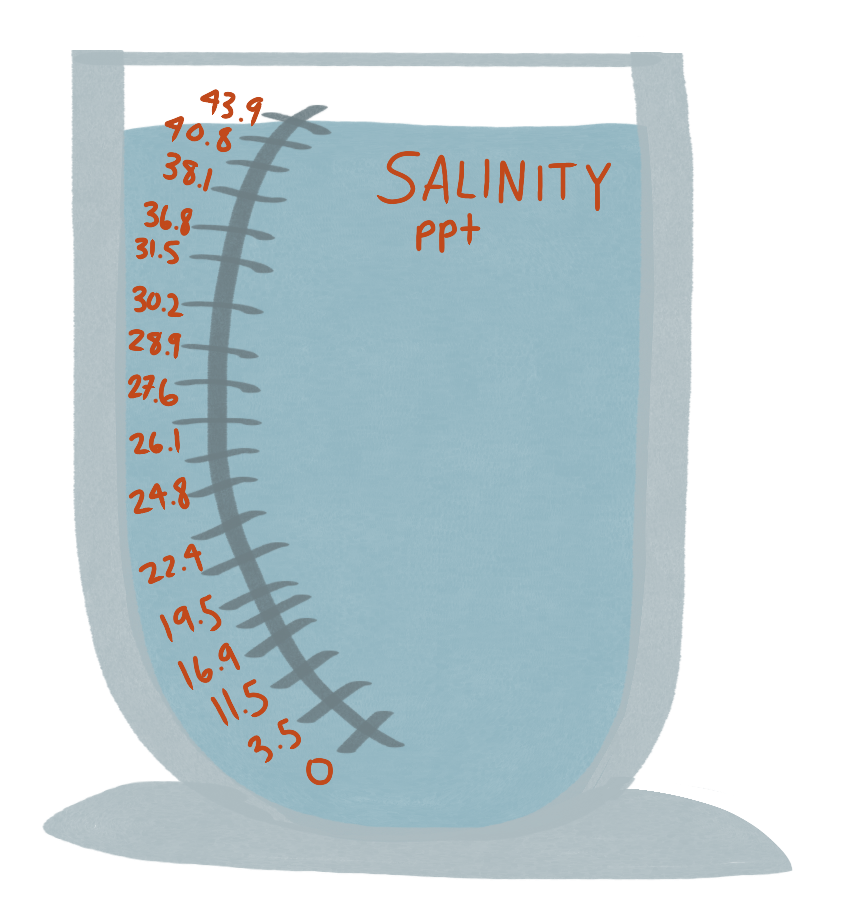
Salinity is the measure of salt content in a body of water, typically measured in parts per million (ppm) or %. The East River is a saltwater tidal estuary, which means that the aquatic life within it is well-adapted to saltier conditions. Therefore, salinity levels indicate how good conditions are for these organisms.
Surprisingly, salinity levels in the East River change daily and seasonally. Everyday, when the river reaches its highest tide, the river’s salinity levels are highest and vice versa. Seasonally, higher amounts of rainfall and snowmelt in the spring add large amounts of freshwater to the river, decreasing its salinity.
Effects of Salinity
Maintaining salinity levels is extremely important in any body of water for numerous reasons. Again, certain marine plants and animals are only tolerant of a range of salinity levels, so staying within this range is vital to their survival. Additionally, saline conditions in the river promote nutrient mixing, which allows important nutrients to become available to our river dwellers.
Salinity of the East River is usually around 20-25 ppm (for reference, the open ocean is about 35 ppm).
Turbidity
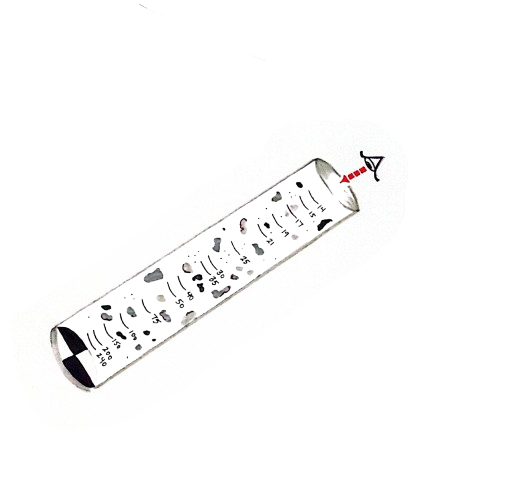
Turbidity describes how clear or cloudy water is. Unlike many of the other factors we’ve discussed, you can see if water is turbid or not. Turbidity is accurately measured using lights and sensors.
Water becomes cloudy when there is sediment from soils, or small particulate matter suspended within it. Bodies of water become increasingly turbid if there are high-impact human activities happening nearby (like construction) or soil erosion.
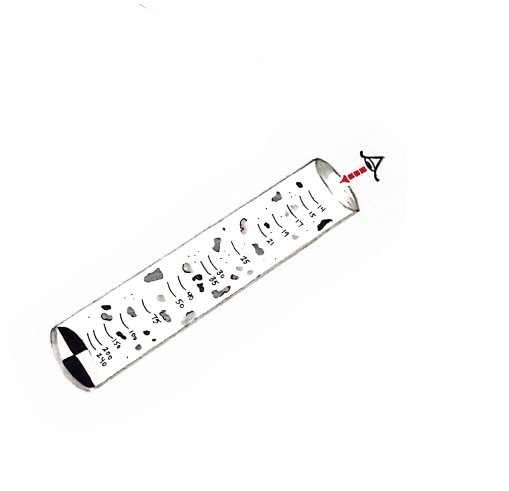
When water becomes cloudy, light from the sun does not reach far below the surface. This directly affects a plant’s ability to photosynthesize. Overall, when water is more turbid, the quality of habitat for aquatic life decreases.
Aside from its effects on plant and animal life in the river, water with high turbidity also supports pathogen life and bacteria. Microbes attach themselves to small sediments in the water, giving them a place to live. Lots of human recreational activities occur on the waters of the East River, making this issue especially important.
Effects of Turbidity
Bacteria
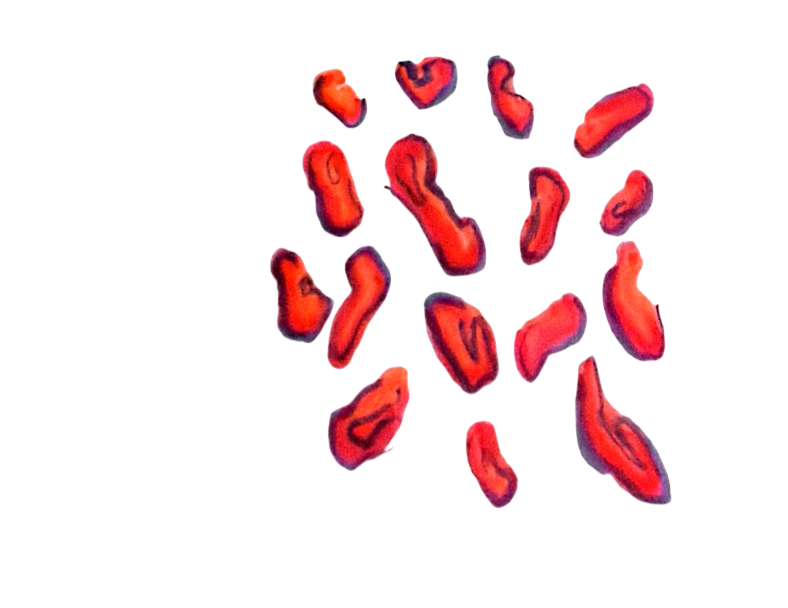
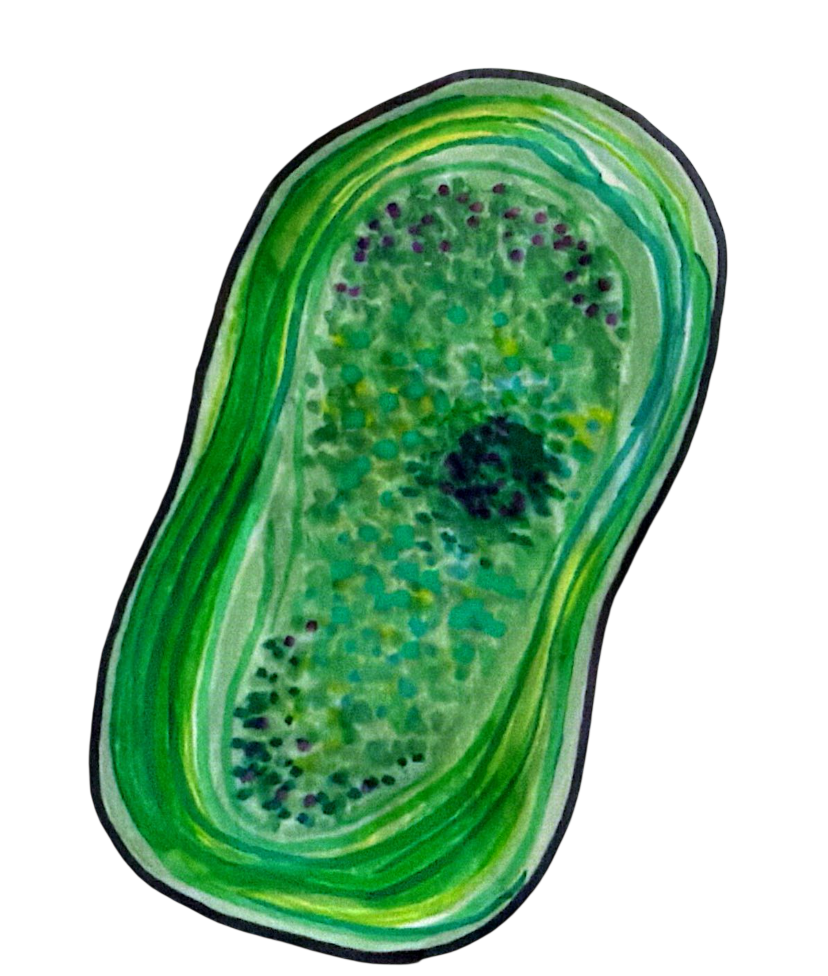
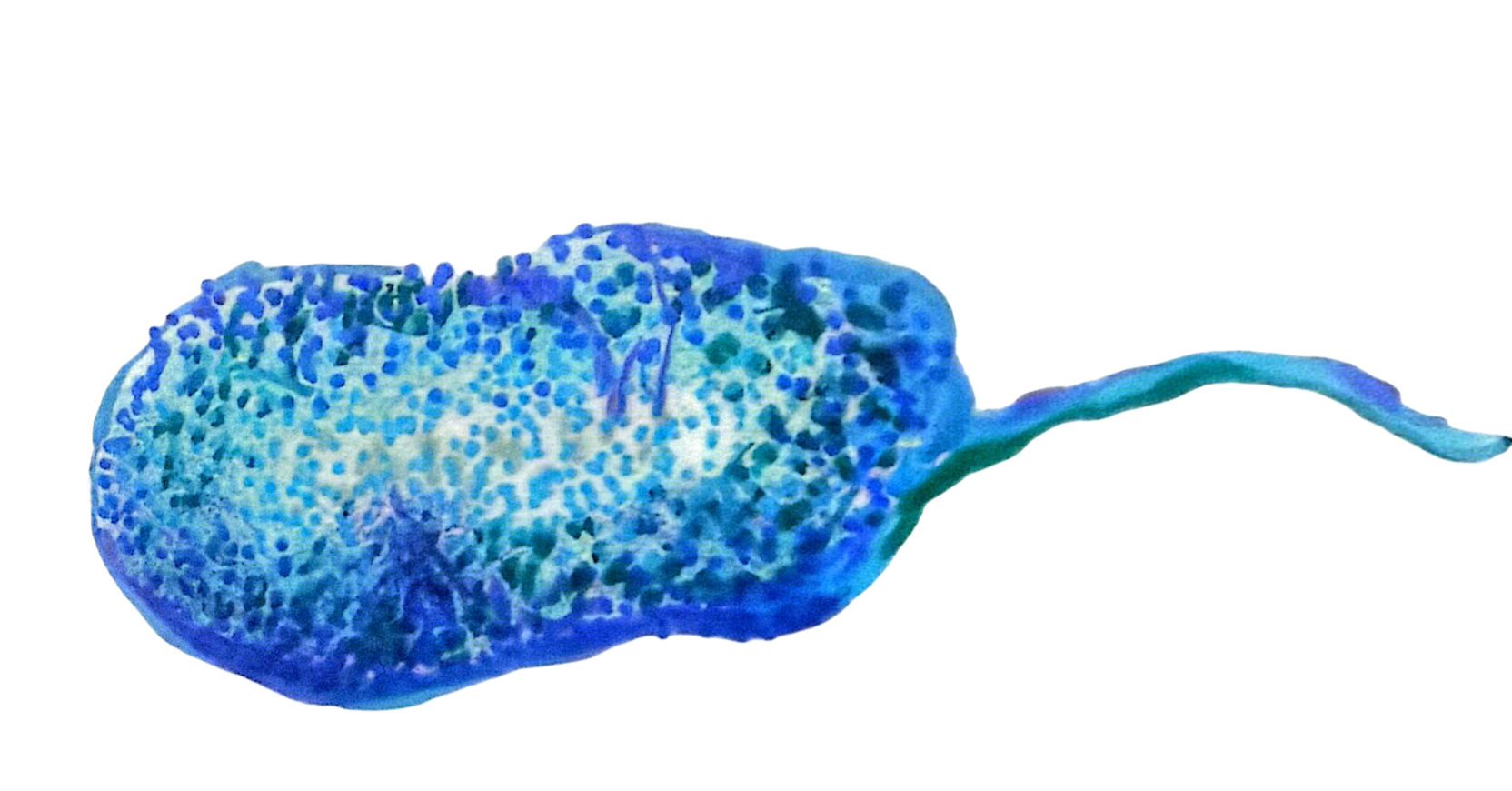
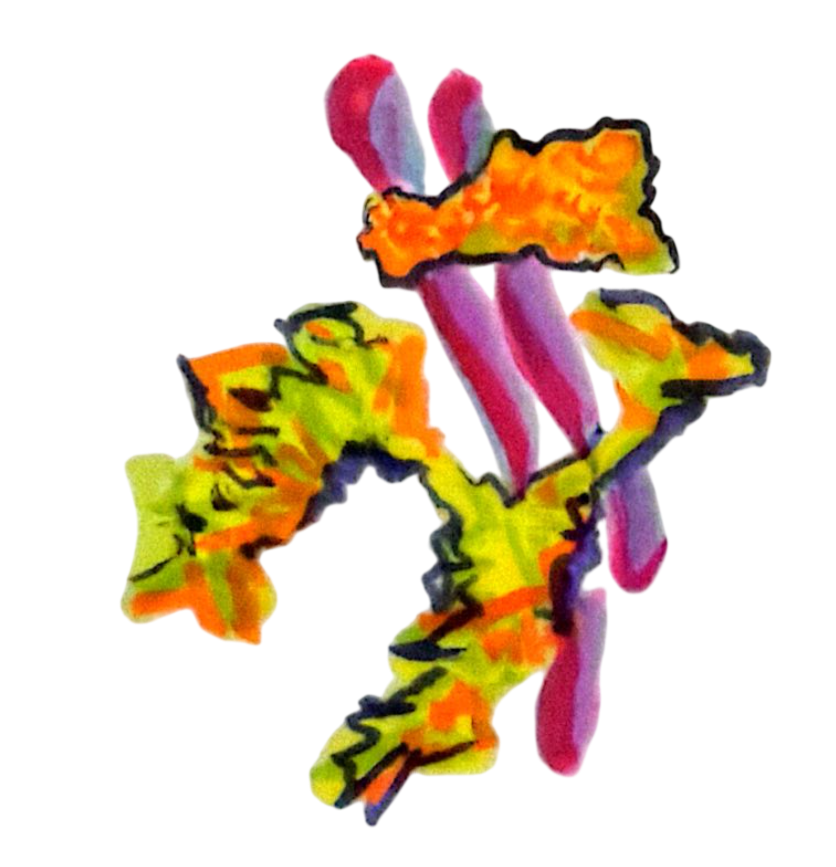
Bacteria poses a major threat to the East River, especially because harmful pathogens and fecal bacteria are introduced when there is combined sewer overflow.
Just as aquatic fish and plants have tolerance ranges for specific conditions, bacteria thrive when river conditions are poor (for example- high temperatures, low dissolved oxygen, high turbidity, etc.). Therefore, constant efforts to monitor the river’s conditions and water quality is vital.
Levels of bacteria in the East River are constantly being compared to the New York City Department of Health’s water standards. These standards establish safe conditions for recreational use of the river.
Users of the East River & Newtown Creek- or any body of water in NYC- must remain informed about the river’s current conditions, since exposure to unsafe water can cause various health risks!
OUR ECOSYSTEMS
Just as the word “ecosystem” implies, the ecology of our river functions as a system; when one part fails, the rest risks collapse. Everything in our ecosystems are interconnected. Closely monitoring each part of the ecosystem (whether plants, animals, or the previously mentioned conditions), allows us to stay alert should one part of the system be close to failure.
You can help to keep the East River healthy and contribute to better water quality by:
Limiting water usage during heavy storm events
Getting involved in citizen science initiatives, like the Billion Oyster Project